
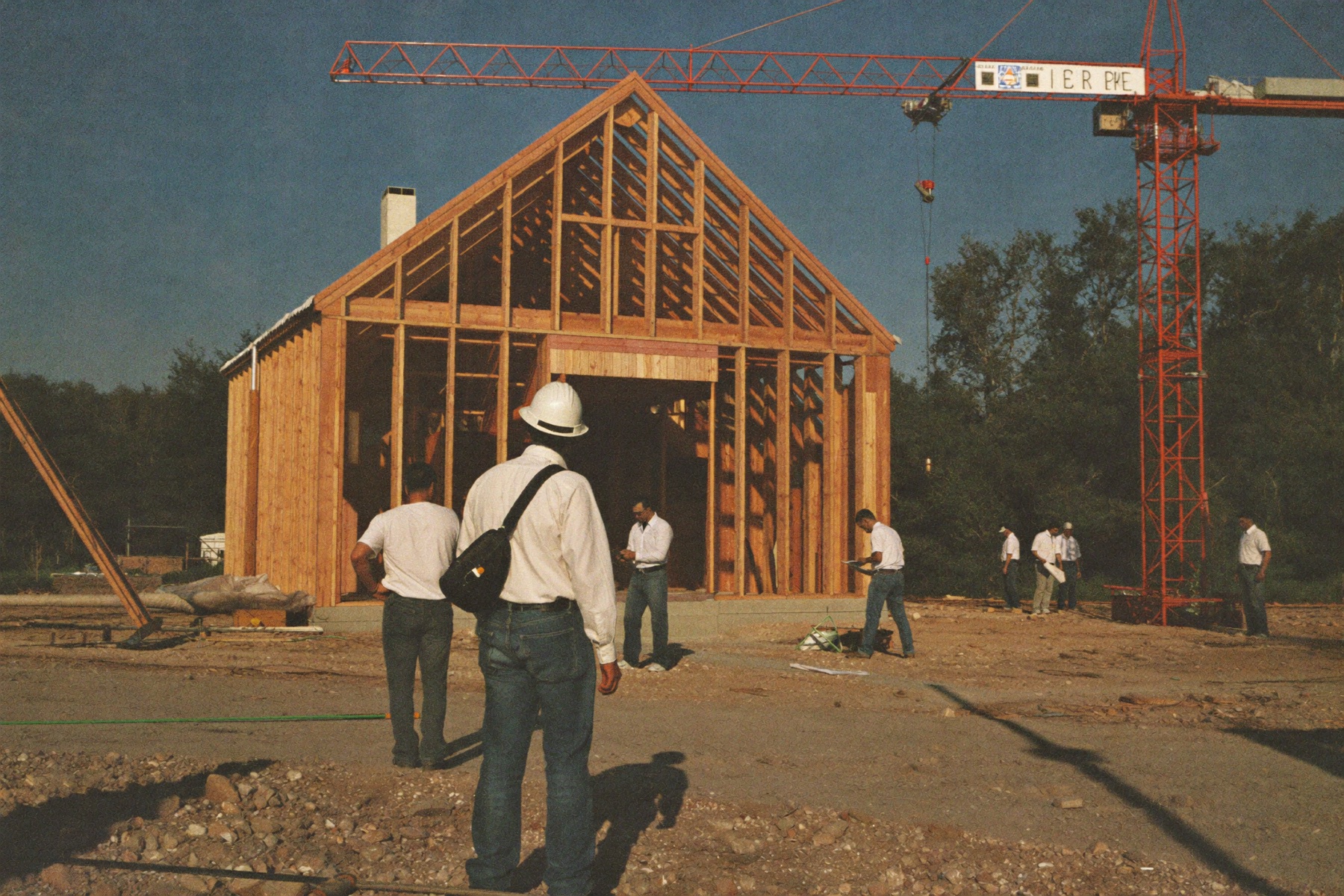
Permits feel like bureaucracy until the moment they protect you. On a roof, the permit is the only thing that guarantees an independent inspector confirms the work meets code.
What a permit actually does for you
- ▸Requires the work to meet current Florida Building Code, which is written around wind resistance.
- ▸Triggers inspections at key stages, so mistakes are caught before they are covered up.
- ▸Creates a public record that the work was done properly, which matters at resale.
- ▸Supports insurance claims and wind mitigation credits later.
The typical process
- The contractor submits the permit application with the scope and product details.
- The municipality or county reviews and issues the permit.
- Work begins, with a dry-in inspection after the underlayment goes on.
- The roof covering is installed.
- A final inspection confirms the completed work.
- The permit is closed out, creating your record.
The dry-in inspection is the important one. It is the only chance anyone has to verify what went on the deck before the finished roof hides it. If a contractor wants to skip past that, ask why.
Requirements vary, so confirm locally
Pinellas and Hillsborough counties, and the individual municipalities within them, each have their own submission requirements and fee schedules. Rules also change, and Florida has amended roofing-related code provisions several times in recent years. Your contractor should know the current requirements for your specific jurisdiction and confirm them rather than working from memory.
The cost of skipping it
An unpermitted roof can create real problems: failed inspections at sale, an insurer questioning a claim, and in some cases being required to tear off and redo work. The permit fee is small compared to any one of those.
We pull the permits and schedule the inspections on every job, so your roof has a clean record from day one.