
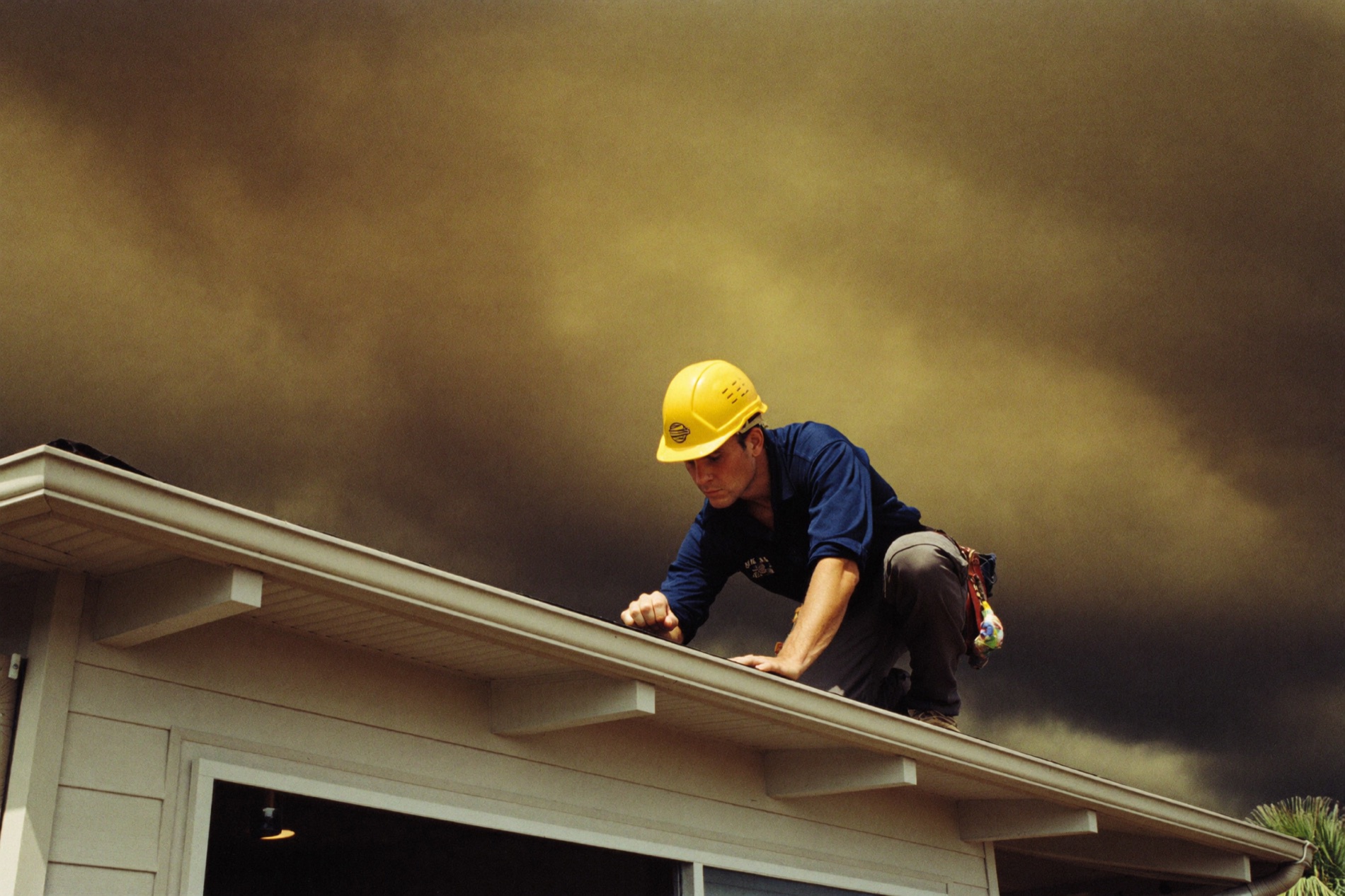
After a hurricane, the first 48 hours matter more than most homeowners realize. What you do in that window affects how quickly the damage stops spreading and how well your insurance claim goes. Here is the order of operations.
1. Safety first, always
Do not climb on a wet or damaged roof. Do not go near downed power lines or standing water with electrical equipment in it. If you see sagging ceilings inside, stay out of that room, because saturated drywall can come down without warning.
2. Stop the water
Water that keeps coming in turns a roof claim into a roof, drywall, insulation, flooring, and mold claim. Emergency tarping is the single highest-value thing you can do early. Most policies expect you to take reasonable steps to prevent further damage, so acting fast helps you rather than hurting you.
3. Document everything before anything gets cleaned up
This is the step people skip and regret. Before repairs, before cleanup, capture:
- ▸Wide photos of every side of the house from the ground.
- ▸Close photos of visible damage, missing shingles, and debris.
- ▸Every interior stain, drip, and wet spot, including ceilings and walls.
- ▸Photos of damaged belongings where water reached them.
- ▸The date and time, plus any notes about when you first saw the leak.
Keep receipts for anything you buy in the emergency, including tarps and a hotel if your home is not livable. Those are often reimbursable.
4. Call your insurer, and get your own inspection
File the claim promptly, because policies have deadlines. At the same time, get a licensed contractor on the roof for an independent assessment. An adjuster is working for the insurance company. Having a contractor who can document the damage in the language and detail adjusters expect puts you on even footing.
5. Be careful who knocks on your door
After every major storm, out-of-state crews flood the area. Some are excellent. Some disappear with your deposit. Before you sign anything:
- ▸Verify the Florida license number and look it up yourself.
- ▸Confirm they carry liability and workers compensation insurance.
- ▸Be wary of anyone pressuring you to sign on the spot.
- ▸Be cautious about signing over your claim rights to a contractor.
- ▸Prefer a local company that will still be here in five years for the warranty.
Storm damage in Tampa Bay? We respond 24/7 with emergency tarping, full photo documentation, and we work directly with your insurance company.